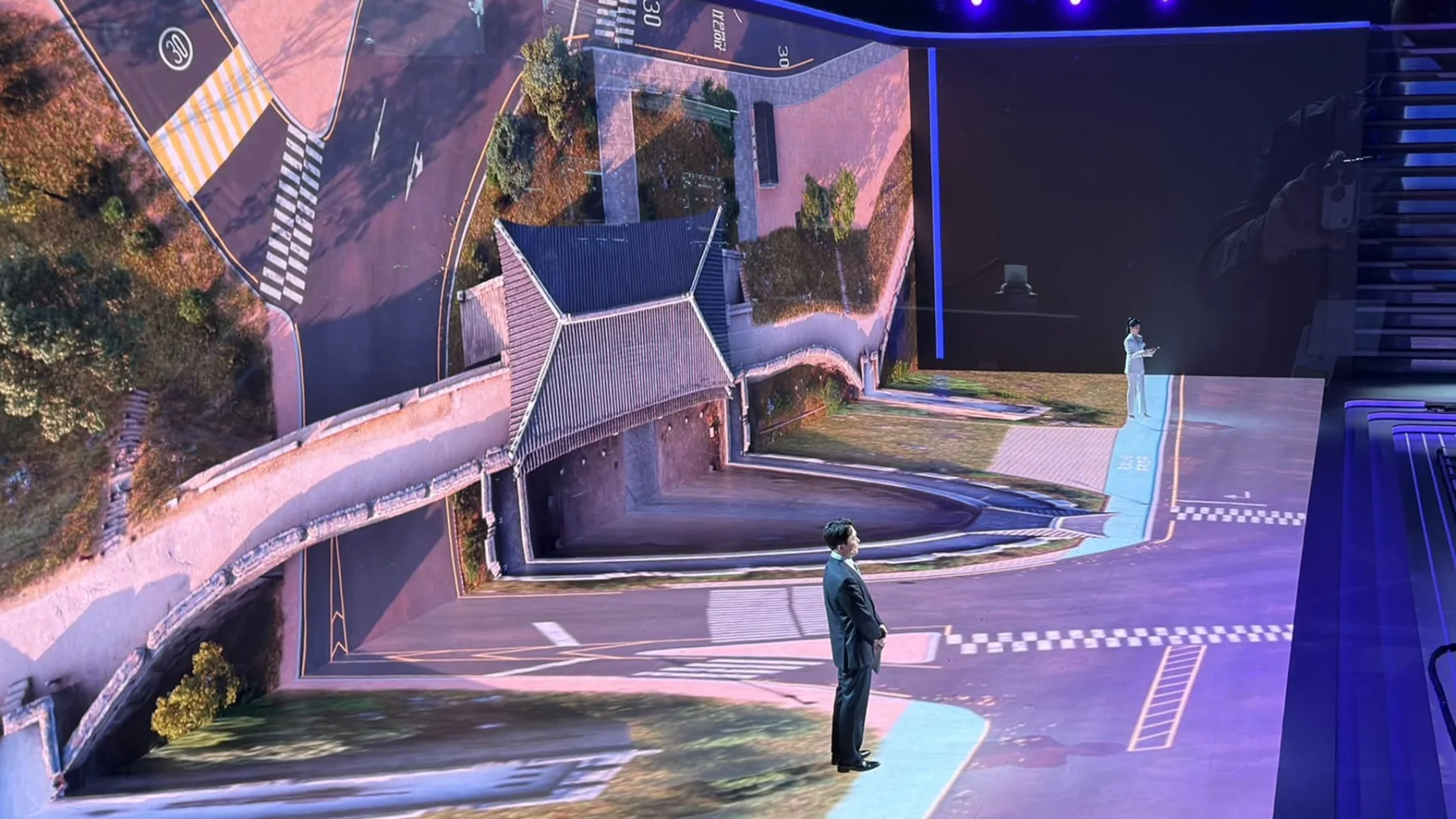
Korean broadcaster MBC deployed two Analog Way Aquilon RS4 presentation systems for its election coverage. The processors supported a native-4K studio design combining virtual production, large display surfaces and data-driven visual elements.
Election programmes demand frequent layout changes and a high volume of incoming data while remaining live for extended periods. The dual-system design gave the production multiple canvases and processing resources for the studio's visual composition.
Why it matters
Presentation processors are increasingly part of broadcast studio design as LED walls, extended canvases and immersive sets replace simpler single-screen backgrounds. Their value lies in mapping many sources to irregular surfaces without forcing every composition through one conventional production-switcher output.
The engineering challenge is to keep the processor, graphics engines, camera framing and programme switcher in a predictable timing chain. Redundancy also has to be designed at system level: two processors do not automatically provide failover if they depend on the same control, power or upstream signal path.
What remains open
The case study does not provide a complete routing diagram, latency measurements or failure-recovery sequence. Those details would be useful for determining how the two RS4 systems divided workloads and how MBC protected the election output.