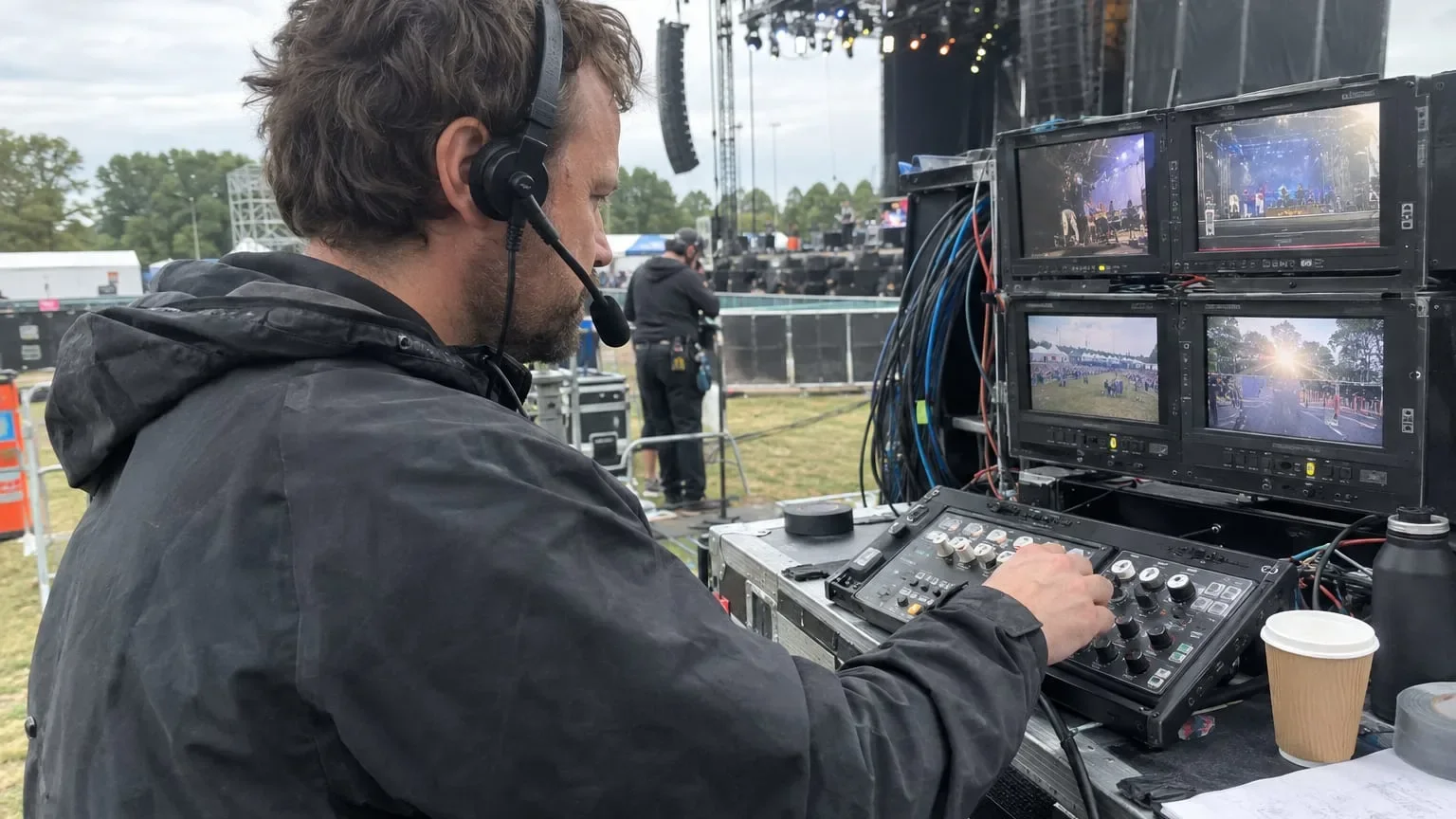
A MarketScale analysis of vendor commentary finds a consistent boundary in live production architecture. Transcoding, packaging, graphics, overlays and monitoring move relatively easily into elastic compute, while camera shading, audio mixing, intercom, IFB and tally remain sensitive to latency and physical presence.
Appear argues that hardware and virtualized production are not opposing end states: each workload should be placed according to performance, resilience, adaptability and cost. Riedel locates the difficult part in the connection back to talent, cameras, microphones and immediate cues at the venue.
Standards including SRT, NDI, JPEG XS, SMPTE ST 2110 and NMOS solve much of the media plumbing. The remaining integration burden sits in provisioning, configuration, timing, resource assignment, lifecycle management and monitoring across vendors. Containerization helps, but not every broadcast application uses it efficiently.
This is analysis rather than a measured deployment study. Workload boundaries can move as software and networks improve, and the source provides no common latency, cost or availability dataset.